C2PA for Creators: Why Content Authenticity Matters
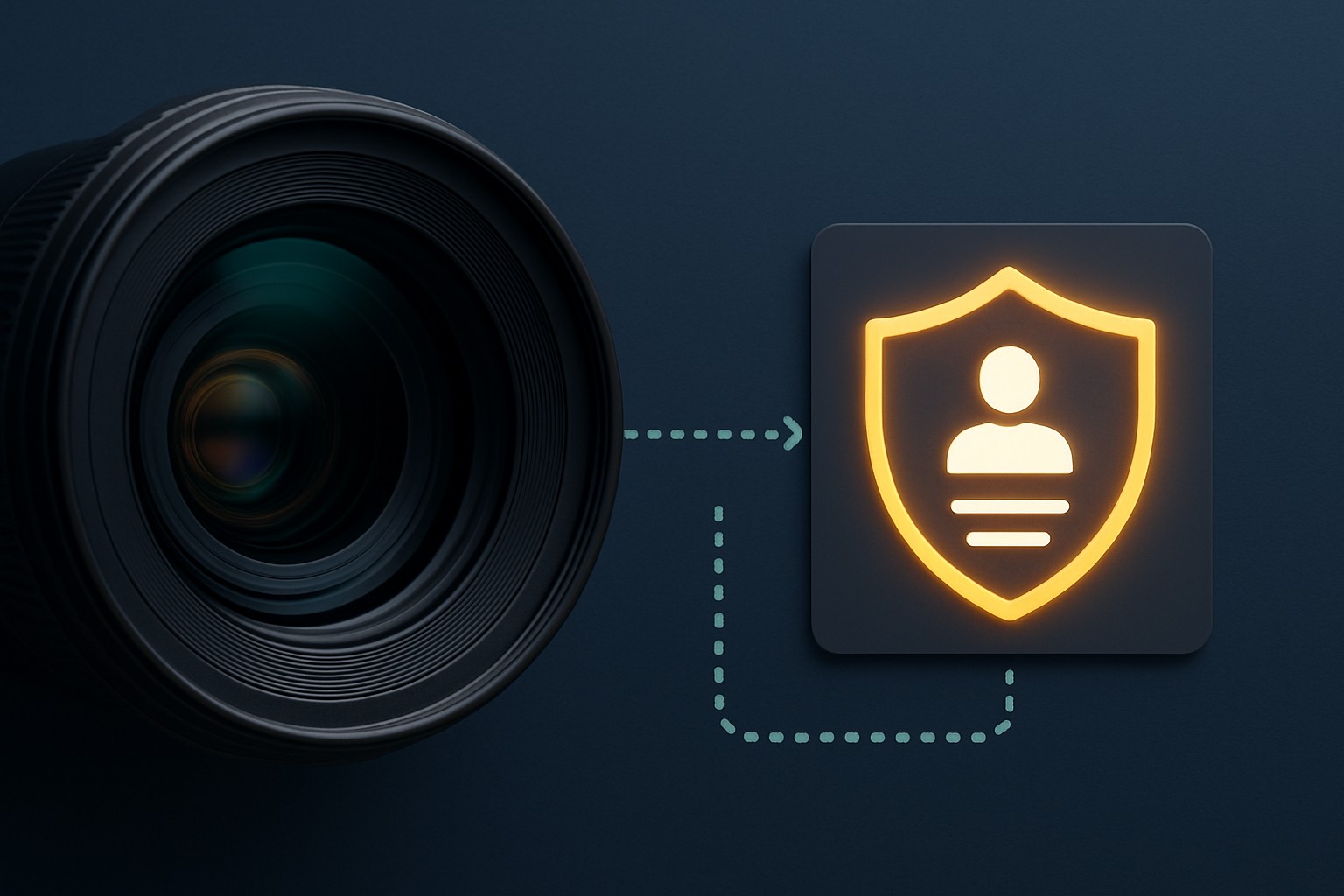
You wake up to a notification: one of your photographs is at the center of a breaking news story. A major outlet picked it up from social media. The image is yours, the moment is real, but within an hour the comments section is filled with accusations. "AI generated." "Deepfake." "Where's the proof?" You have the raw file on a drive somewhere, but by then nobody is listening. The burden of proof is on you, and the tools to prove authenticity were never built for a working creator.
This is the quiet crisis facing photographers and videographers in 2026.
Content authenticity has become a professional problem. Generative AI has flooded every platform with synthetic images that look indistinguishable from real photographs. Newsrooms, brands, and clients are no longer willing to trust a file simply because it looks credible. They want proof of origin, a chain of custody that follows the image from capture to delivery. That is exactly what C2PA provides.
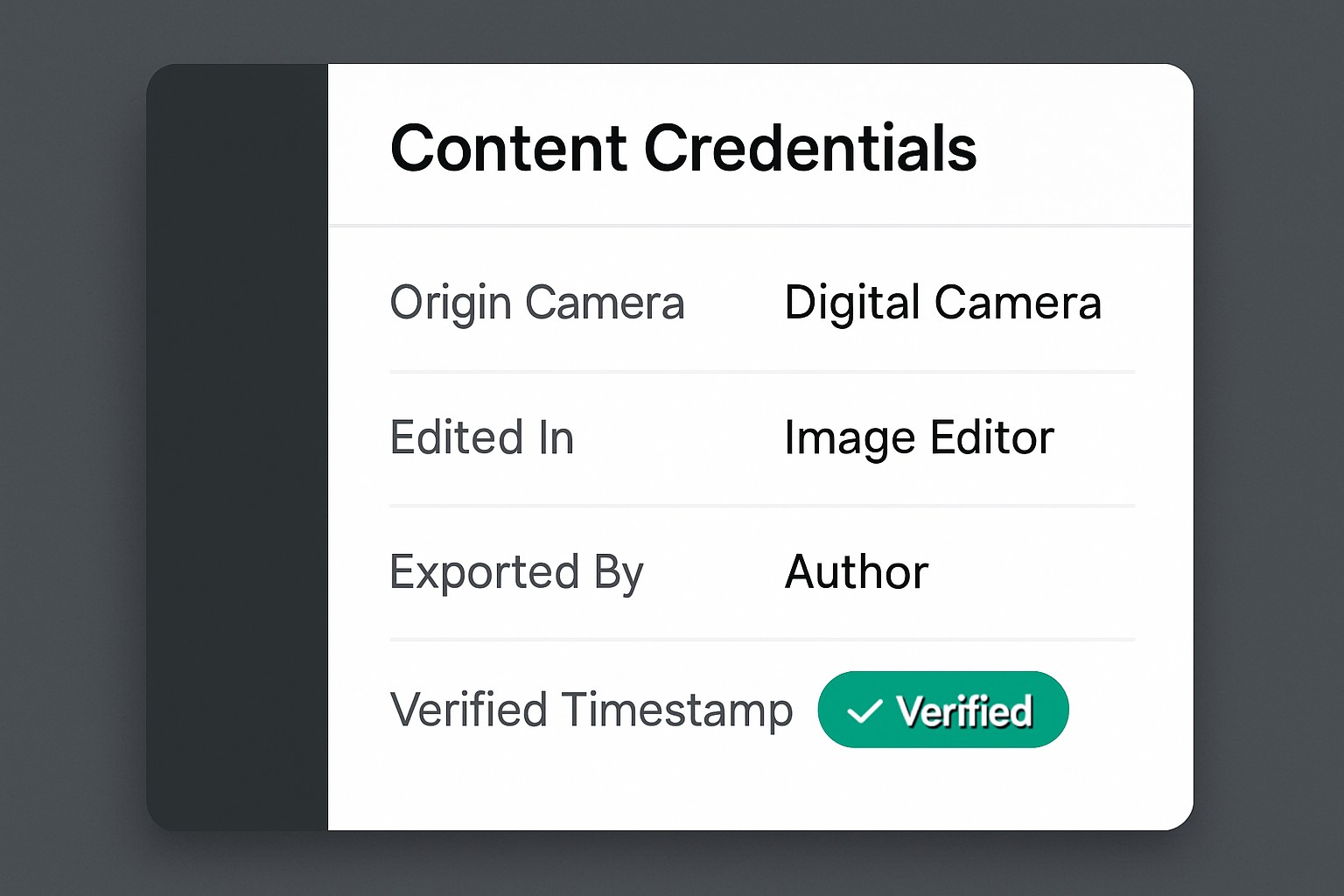
C2PA stands for Coalition for Content Provenance and Authenticity. In plain language, it is signed metadata that travels inside the file itself. Think of it as a tamper-evident passport for your content. When an image or video is created or edited, a cryptographically signed record is attached to the file. That record can include who captured it, what software was used, what edits were made, and when it was exported. The information stays with the file as it moves between drives, cloud folders, editing suites, and client inboxes.
The Content Authenticity Initiative, led by Adobe, helped popularize this idea through the "CR" icon you may have seen in Photoshop. That icon means Content Credentials are present. But a badge in one application is not the same as a workflow that protects your entire library.
Why C2PA matters now
Several forces are making C2PA urgent for independent creators right now.
First, the generative AI flood has made platforms and publishers defensive. Google, Meta, and Microsoft have committed to supporting content credentials. News organizations are starting to require authenticity signals before licensing user-generated content. The absence of a credential is slowly becoming a red flag.
Second, client trust is on the line. A wedding photographer, a documentary filmmaker, and a product photographer all share one risk: a single accusation of manipulation can damage a reputation built over years. A signed C2PA record is not a guarantee that every viewer will believe you, but it is a professional signal that you stand behind the origin of your work.
Third, regulation is moving. The EU AI Act and similar frameworks are beginning to require transparency labels for synthetic content. Those laws target AI-generated media first, but they raise the baseline expectation for all content. Creators who can demonstrate provenance will be ahead of the curve.
Why it is still out of reach
The current tooling is fragmented and enterprise-heavy. Adobe's implementation is powerful, but it lives primarily inside Creative Cloud applications and enterprise workflows. It does not extend naturally to your cloud archive, your backup drives, or your client delivery portal. Some cameras now sign images at capture, which is valuable, but that only covers the first mile. The moment you edit, export, or deliver through a different system, the chain becomes harder to maintain.
What is missing is a creator-tier workflow: automatic signing at every meaningful handoff, integrated with the cloud library you already use, without requiring a cryptography degree or an enterprise contract. That is the gap Whimsy was built to close.
Whimsy bakes C2PA into every export
Whimsy is a Creator Cloud Library. We unify your storage across cloud providers, curate your best work with AI, and help you deliver branded galleries to clients. C2PA is not an afterthought bolted onto the side of that workflow. It is baked into every export and delivery automatically.
When you prepare a file for a client in Whimsy, the platform attaches a Content Credential that captures the current state of the asset and its provenance within your library. The signed metadata travels with the file when it is downloaded, shared, or published. Your client receives not just the image, but a verifiable record that the work came from your archive and passed through your Whimsy workflow. You do not need to open a separate tool, configure certificates, or remember to check a box.
For photographers and videographers, this changes the conversation. Instead of defending the authenticity of your work after the fact, you can lead with it. Your portfolio, your deliverables, and your public galleries can all carry a credential that says: this work is real, and here is the chain that proves it.
Content authenticity is no longer a feature reserved for newsrooms and tech platforms. In 2026, it is becoming part of the professional standard for every creator who publishes work online. C2PA gives you the mechanism. Whimsy gives you the workflow.
Ready to make authenticity automatic? Connect a Cloud for Free
Comments (0)
The views in comments are those of the author and do not necessarily reflect the views of NumeraCode. We reserve the right to remove inappropriate content.