DAM for Creators: Why the $7B Industry Stalls
If you shoot weddings, portraits, or short-form video, you already own a digital asset management system. It just wasn't designed to be one.
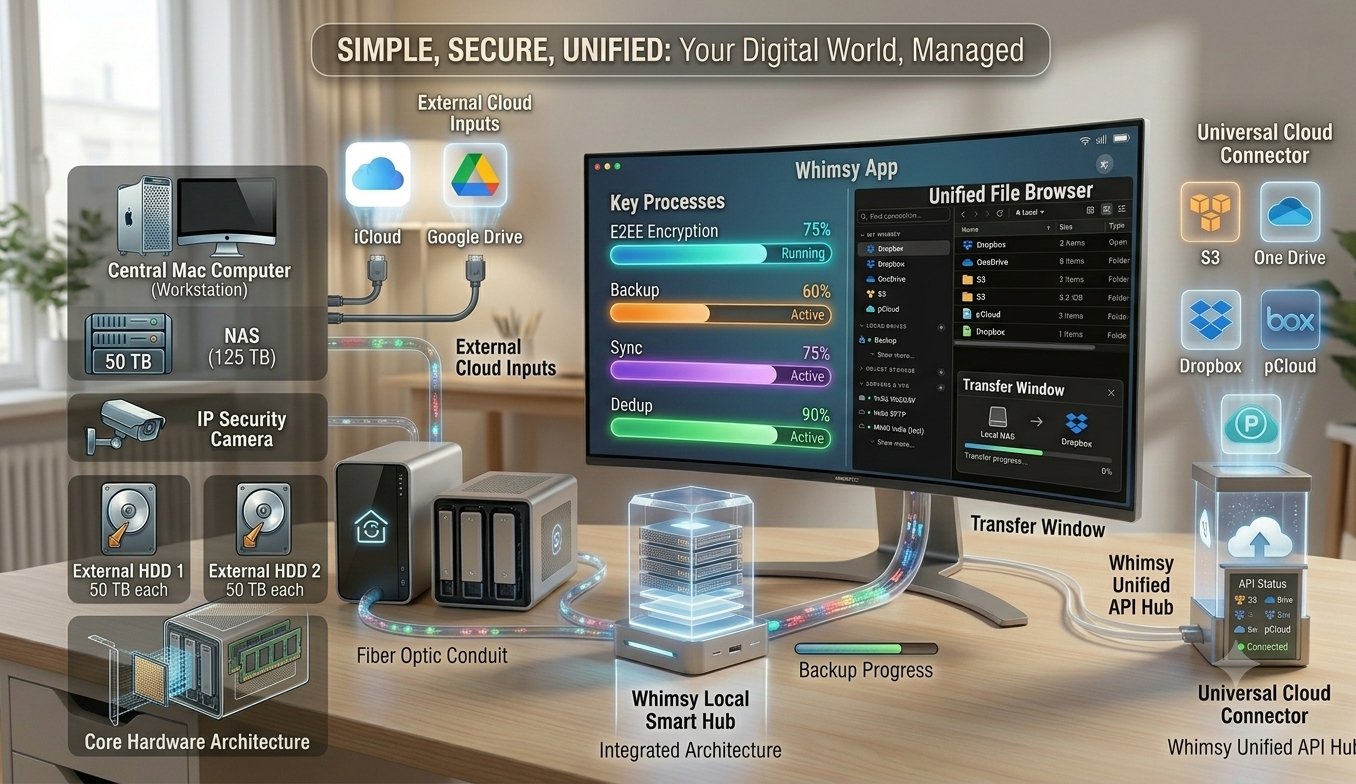
Half your RAWs live on a fast external drive. Finals are in Dropbox because the client asked for a link. Older galleries are in Google Drive from two laptops ago. Somewhere in iCloud are the selects your partner already approved. And your portfolio? That's scattered across Lightroom, a Figma mood board, and the last five projects you haven't had time to sort.
This is digital asset management for creators in 2026: not a system, but a stack of almost-right tools.
The DAM industry wasn't built for you
Walk into any discussion of "digital asset management" and you'll hear about brand portals, approval workflows, and rights management. That's because the $7 billion DAM market was shaped by enterprises. Forrester's Q1 2026 Wave puts Adobe, Aprimo, Bynder, and OpenText at the top — all platforms designed for marketing teams at 500-plus-person companies. Their job is to protect logos, lock down usage rights, and route campaigns through legal.
The creator tier is an afterthought. Canto and Air look friendlier, but a single-seat plan still starts around $300–900 per month. Frontify targets agencies with four-figure annual contracts. Frame.io owns video review, but only inside Adobe's cloud. Eagle, Mylio, and Adobe Bridge are built for one machine — not for a creator whose files already span three cloud accounts and two external drives.
The result is a gap nobody owns: a DAM that sees all your storage, costs less than a streaming subscription, and actually helps you deliver work. Enterprise DAMs are overbuilt. Personal organizers are local-only. Cloud drives are storage buckets with a search bar. Each handles a slice, but the slice keeps changing as your career grows.
Five places the market breaks down
- Storage is treated like a hostage situation. Most DAMs charge per terabyte. The more you shoot, the more you pay — and migration becomes a project instead of a feature. A wedding photographer with a 50 TB archive shouldn't need a budget line item just to keep their own work accessible.
- Cloud libraries are really single-cloud libraries. iCloud sees iCloud. Dropbox sees Dropbox. Adobe sees Adobe. None of them see the full picture. So you end up hunting across four tabs for the same shoot, never sure which version is final.
- AI is wasted on tagging. Auto-tagging is useful, but it doesn't solve the harder job: deciding which images belong in your portfolio, your pitch deck, or your client delivery. Tagging "beach" and "golden hour" is nice; picking the twelve shots that make a couple cry is different.
- Client delivery is tacked on. A portal built for enterprise brand assets is the wrong shape for a photographer sending one polished gallery. You don't need a 40-page approval workflow. You need a branded link that loads fast, looks like your studio, and doesn't break at 11 PM when the client finally opens it.
- Authenticity is enterprise-only. C2PA content credentials are showing up in cameras and Adobe enterprise tools, but the average creator has no easy way to prove an image is original. In a market flooded with generated media, provenance shouldn't be a premium feature.
What a creator-first cloud library looks like
Picture this: a wedding photographer at 11 PM sends a branded delivery link before the couple wakes up. No new uploads. No folder sharing. No generic Dropbox URL. The files were already there, across three clouds and a local drive — now they're just presented under her brand, in one place.
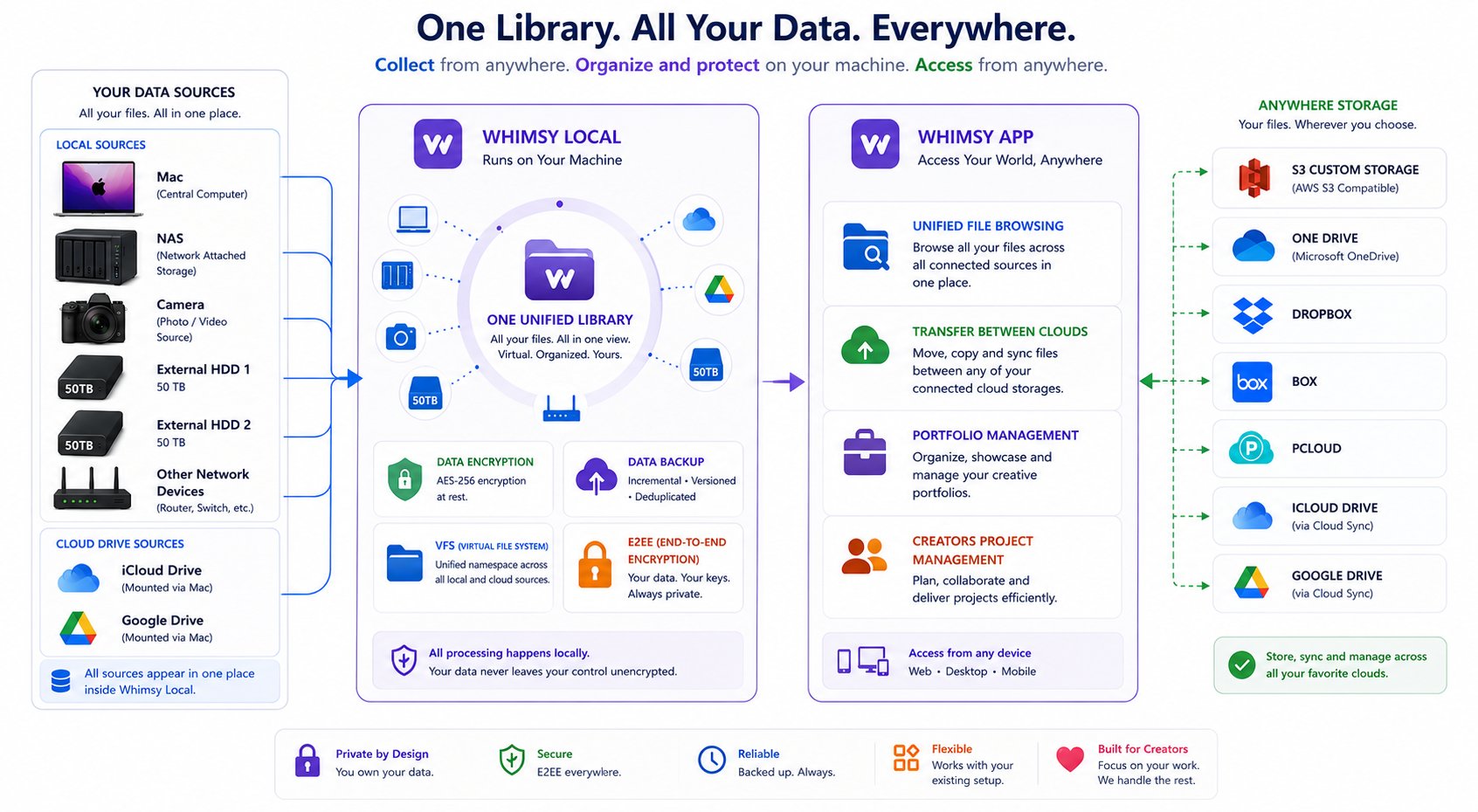
This is where the category changes. A Cloud Library, unlike a corporate DAM, starts from the assumption that your files already live somewhere — and shouldn't have to move.
It connects to Drive, Dropbox, S3, iCloud, Backblaze, and whatever NAS is humming in your studio. It shows you one library across all of them. It deduplicates across clouds so you're not paying to store the same RAW five times. It uses AI not just to tag, but to curate: the best shots for your portfolio, the right mix for a client pitch, the hidden gem from last year's work.
It lets you deliver under your own brand — a link that looks like your studio, not a generic shared folder. And it bakes in C2PA credentials so the authenticity travels with the file, from camera to client.
That changes the math. Instead of a per-terabyte tax that punishes you for shooting more, you get flat pricing that scales with your business.
The shift is already underway
The growth trajectory says this gap is real. Major DAM market forecasts — Fortune Business Insights, MarketsandMarkets — project 12–18% annual expansion through 2034, with most of that pressure coming from outside the enterprise. The tools are just lagging behind the creators.
The good news: you don't have to wait for an incumbent to get around to it. The pieces already exist — multi-cloud browsing, AI curation, content credentials, BYOS architecture. They just haven't been assembled into the right shape for the people who actually make the assets.
That's the bet behind Whimsy. Not to build another DAM, but to build the first Creator Cloud Library.
Connect a Cloud for Free and turn your scattered storage into one library — without moving a single file.
Comments (0)
The views in comments are those of the author and do not necessarily reflect the views of NumeraCode. We reserve the right to remove inappropriate content.